 Bearly Fit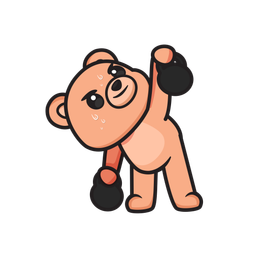
Double Kettlebell Windmill
Also known as: Double KB Windmill • Two-Arm Kettlebell Windmill
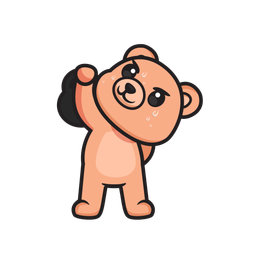
Imagine a bear gracefully reaching down to pick berries while balancing a honey pot overhead - that's the essence of the Double Kettlebell Windmill. This movement strengthens your shoulders, core, and hips, promoting stability and flexibility. It's a gentle yet powerful way to build functional strength, just like a bear preparing for a long journey.
Instructions
- Stand with your feet shoulder-width apart, holding kettlebells in each hand.
- Turn your left foot out 45 degrees and the right foot slightly inward.
- Press the right kettlebell overhead, keeping it locked in place.
- Hold the left kettlebell by your side.
- Push your hips to the right while slowly lowering your torso toward the ground.
- Keep your right arm extended and eyes on the kettlebell overhead.
- Touch your left hand to the ground or as close as you can, maintaining a straight line from the overhead kettlebell to your grounded hand.
- Slowly return to the starting position by driving through your hips and regaining your upright stance.
- Repeat for the desired number of reps before switching sides.
Benefits
- Enhances core stability and strength.
- Improves shoulder and thoracic spine mobility.
- Builds strength and coordination.
- Works multiple muscle groups simultaneously.
- Helps improve overall body balance and control.
Key Points
- Keep the overhead kettlebell stable and locked out.
- Maintain a straight back and avoid rounding your spine.
- Focus on hip mobility, not just bending at the waist.
- Move slowly and with control to reduce the risk of injury.
- Engage your core and glutes throughout the movement.
Common Mistakes
- Allowing the overhead kettlebell to wobble.
- Bending at the waist instead of hinging at the hips.
- Not keeping the core engaged throughout the movement.
- Rounding the spine when reaching down.
- Moving too quickly or with poor control.
Muscle Groups
Upper LegShouldersLower BackCoreGlutes