 Bearly Fit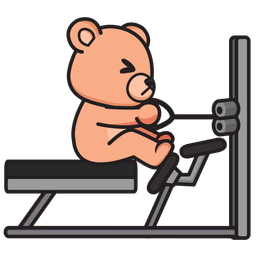
Elevated Cable Rows
Also known as: Incline Cable Row • High Cable Row
Rowing with cables from an elevated position is like pulling yourself up out of the river - but with perfect form. This move keeps tension steady and muscles honest, especially in your back and arms. The elevation adds a new angle for your upper body to work through, making it a smart pick for bears looking to row with precision and power.
Instructions
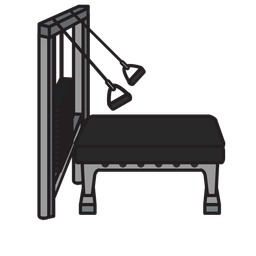
- Adjust the cable pulley to a position above waist level.
- Attach a rope, straight bar, or preferred handle to the pulley.
- Sit on the bench with your feet flat on the ground and knees slightly bent.
- Grasp the handle with both hands using a neutral or overhand grip.
- Engage your core and maintain a straight back throughout the movement.
- Pull the handle towards your upper abdomen or lower chest, squeezing your shoulder blades together at the peak contraction.
- Slowly extend your arms to return to the starting position, maintaining control.
- Repeat for the desired number of repetitions.
Benefits
- Strengthens the upper and middle back muscles.
- Enhances scapular stability and posture.
- Improves pulling strength and upper body coordination.
- Provides variation to traditional rowing exercises.
- Engages the biceps and forearms as secondary muscles.
Key Points
- Maintain an upright posture with a neutral spine.
- Avoid using momentum; focus on controlled movements.
- Keep elbows close to the body during the pull.
- Ensure the shoulders are depressed and retracted at the peak of the movement.
- Adjust the seat or pulley height to align the cable with your upper abdomen.
Common Mistakes
- Rounding the back during the movement.
- Using excessive weight leading to poor form.
- Allowing the shoulders to elevate or protract.
- Leaning too far backward or forward.
- Not fully extending the arms during the eccentric phase.
Muscle Groups
BicepsShouldersCoreUpper Back