 Bearly Fit
Lat SMR
Also known as: Latissimus Dorsi SMR • Foam Roll Lats • Latissimus Dorsi Foam Rolling
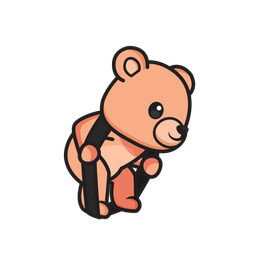
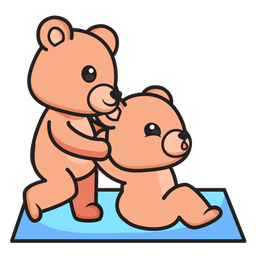
Plop your side onto a foam log like a cozy bear on a fallen tree. Slowly roll from your armpit down your side ribs, then pause on tender honey-spots and breathe. Keep the shoulder comfy, move gently, and let those lats un-grump so reaching overhead feels smooth and easy.
Instructions
- Place a foam roller on the floor.
- Lie on your side with the roller under your armpit/side of the upper back (lat area).
- Support your body with your bottom leg and your forearm/hand; keep your torso relaxed.
- Angle slightly backward so the roller contacts the lat, not the point of the shoulder.
- Slowly roll down along the side of your ribcage toward mid-back, then return toward the armpit.
- When you find a tender spot, pause and breathe slowly for 20 to 40 seconds, keeping pressure tolerable.
- Optionally move the top arm overhead or rotate the torso slightly to explore different lat fibers.
- Repeat for 60 to 120 seconds per side.
Benefits
- May reduce perceived lat tightness and muscle tone
- Can improve comfort and range of motion for overhead movements
- Helps prepare shoulders and upper back for pulling and pressing sessions
- May decrease soreness and improve tissue tolerance to training loads
- Encourages better scapular movement by reducing lat stiffness
Key Points
- Keep pressure at a tolerable discomfort, not sharp pain or numbness.
- Avoid rolling directly on the shoulder joint or the bony ribs; target the soft tissue of the lat.
- Move slowly and breathe to help the muscle relax.
- Use small body shifts and arm position changes to find tight areas.
- Stop if you feel tingling, burning, or symptoms down the arm.
Common Mistakes
- Rolling too fast and missing tight spots
- Using excessive pressure that causes guarding or sharp pain
- Rolling on the shoulder joint or directly on bony ribs
- Holding the breath instead of relaxed breathing
- Letting the shoulder shrug up toward the ear throughout
- Ignoring nerve-like symptoms such as tingling or numbness
Muscle Groups
TricepsShouldersLower BackCore