 Bearly Fit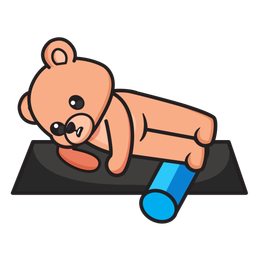
Peroneal SMR
Also known as: Foam Rolling Peroneals • Peroneal Self-Myofascial Release
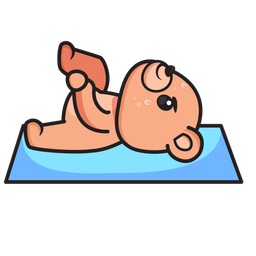
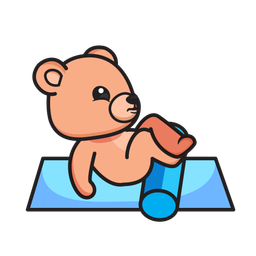
Time to roll out those side-of-the-leg helpers. Plop a roller or ball under the outside of your lower leg and slowly prowl up and down like a curious bear sniffing for tight spots. Pause on tender areas, breathe, and keep the pressure friendly, not grizzly-level intense.
Instructions
- Sit on the floor with one leg extended and place a foam roller or firm ball under the outside of the lower leg (between the knee and ankle).
- Support your body with your hands behind you and use the other leg to help control pressure.
- Slowly roll along the peroneals from just below the knee toward the ankle, staying on the outer side of the shin.
- When you find a tender spot, pause and breathe slowly for 20 to 40 seconds.
- Optionally, gently move the ankle up and down or rotate it to help the tissue relax while holding pressure.
- Repeat for 60 to 120 seconds total, then switch sides.
Benefits
- May reduce perceived tightness in the outer lower leg
- Can improve comfort during walking, running, and lateral movements
- Supports ankle mobility and smoother inversion/eversion control
- May help prepare the calves/ankles for training as part of a warm-up
- Can aid recovery by increasing local circulation and tissue tolerance
Key Points
- Stay on the muscular outer calf, not directly on the shin bone.
- Use tolerable pressure; discomfort is okay, sharp pain is not.
- Move slowly and breathe to reduce guarding.
- Keep the ankle relaxed; add small ankle motions only if it feels good.
- If you feel tingling, numbness, or burning, reduce pressure or stop.
Common Mistakes
- Rolling too fast and skipping over tight spots
- Using excessive pressure that causes sharp pain or bruising
- Rolling directly on the shin bone or sensitive bony areas near the ankle
- Holding breath or tensing the leg while rolling
- Ignoring nerve-like symptoms (tingling/numbness) and continuing
Muscle Groups
Upper LegLower Leg