 Bearly Fit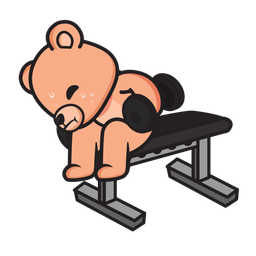
Seated Dumbbell Triceps Kickback
Also known as: Seated Bent-Over Two-Arm Dumbbell Triceps Extension • Seated Bent-Over Dumbbell Kickback
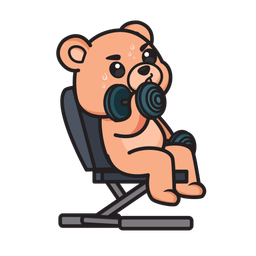
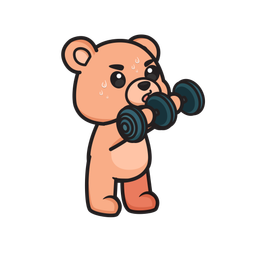
Sit tall, then do a little bear-cave hinge forward. Keep your upper arms tucked like you are protecting a honey jar, then straighten your elbows to press the dumbbells back. Only the forearms should swing. Smooth and steady, and your triceps will feel like they are doing serious paw-work.
Instructions
- Sit on a bench with feet planted and core braced; hold a dumbbell in each hand with a neutral grip.
- Hinge forward at the hips until your torso is angled forward (back flat, neck neutral).
- Bring elbows up close to your sides so upper arms are roughly in line with your torso; bend elbows so the dumbbells are near your ribs.
- Keeping upper arms still, extend your elbows to move the dumbbells back until arms are straight (or just short of lockout).
- Pause briefly and squeeze the triceps.
- Lower the dumbbells under control back to the start position and repeat.
Benefits
- Builds triceps size and strength with minimal equipment
- Improves elbow extension strength for pressing movements
- Allows focused triceps work with reduced lower-body involvement
- Can help address left-right triceps imbalances using separate dumbbells
Key Points
- Hinge at the hips and keep a neutral spine; avoid rounding the low back.
- Keep upper arms pinned; movement should come from elbow extension only.
- Use a controlled tempo and full, comfortable range of motion.
- Brace the core to prevent torso rocking and shoulder shrugging.
- Stop if you feel elbow pain; reduce load or range.
Common Mistakes
- Letting the elbows flare out or the upper arms swing
- Turning it into a shoulder movement by reaching/rowing the dumbbells
- Rounding the back or craning the neck during the hinge
- Using momentum and bouncing through reps
- Going too heavy and losing control at the bottom
Muscle Groups
TricepsShouldersCore