 Bearly Fit
Side Leg Raises
Also known as: Side-Lying Leg Raise • Side-Lying Hip Abduction • Hip Abduction (Side-Lying)
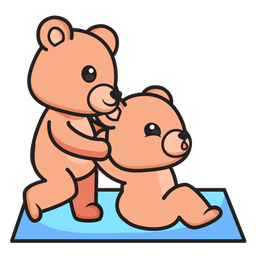
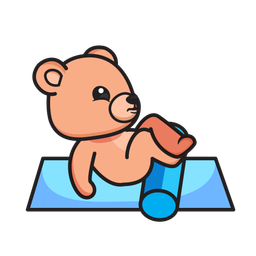
Plop down like a cozy bear in a den, then gently lift your top leg like you are swatting away a pesky bee. Side leg raises wake up your hip abductors so your pelvis stays steady on hikes, runs, and squat adventures. Slow and steady, cub, feel that outer-hip burn growl.
Instructions
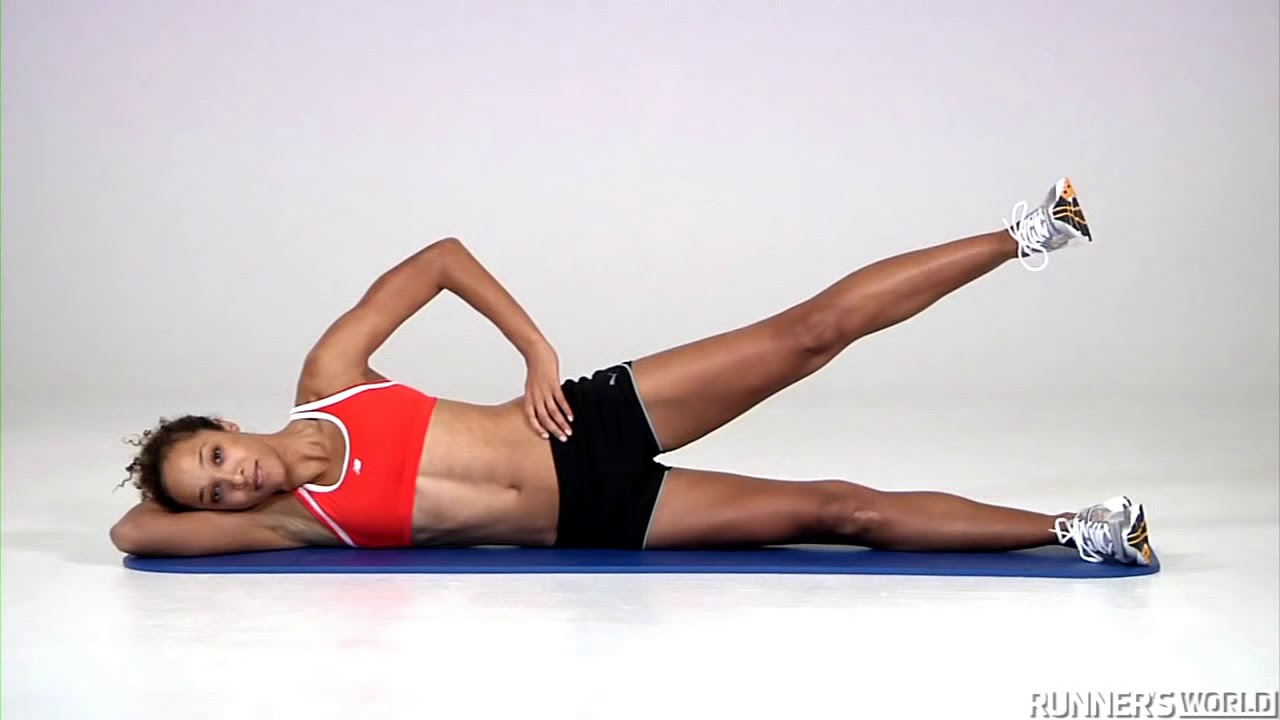
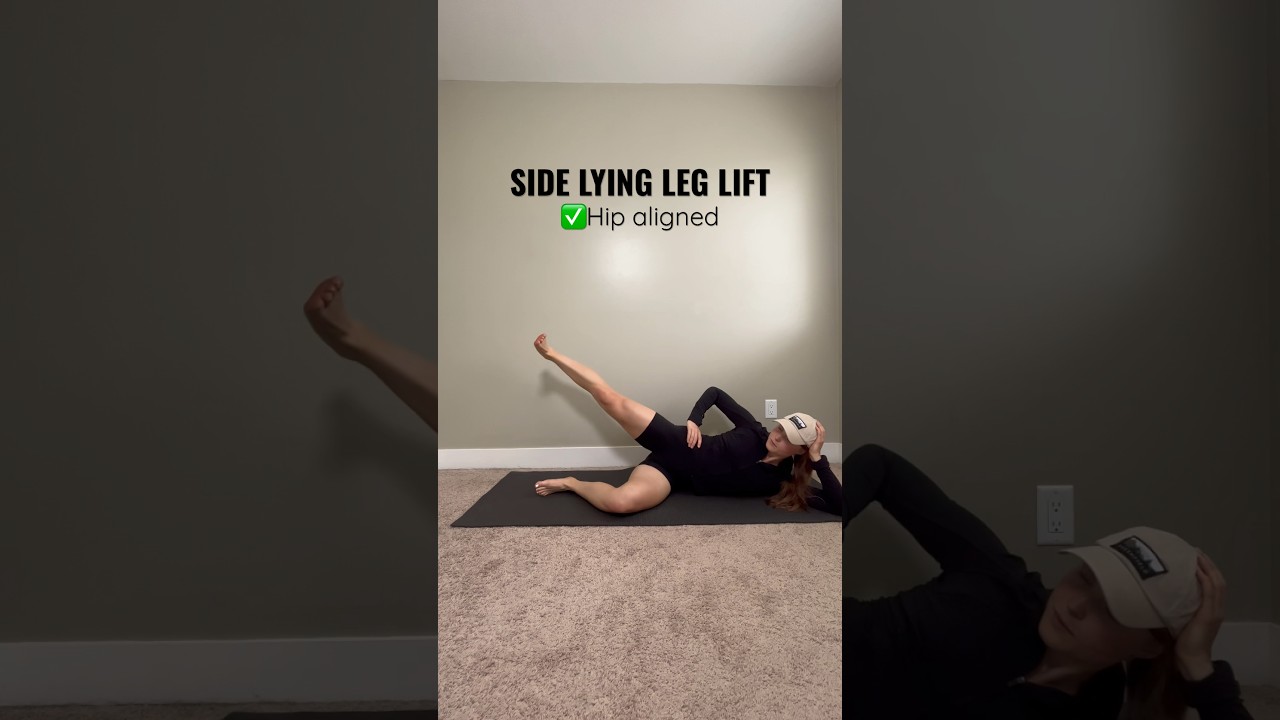
- Lie on your side with legs straight, hips stacked, and head supported by your lower arm.
- Brace your core and keep your pelvis still (do not roll backward or forward).
- Point toes forward (or slightly down) to emphasize the glutes over the hip flexors.
- Lift the top leg up in a controlled motion without bending the knee.
- Pause briefly at the top while keeping the hips stacked.
- Lower the leg slowly to the start position and repeat, then switch sides.
Benefits
- Strengthens hip abductors (gluteus medius/minimus)
- Improves pelvic stability and balance
- Supports knee alignment and reduces valgus collapse risk
- May help with hip and lower-back control during gait and running
- Useful accessory work for squats, lunges, and single-leg training
Key Points
- Keep hips stacked and pelvis quiet; movement should come from the hip.
- Lift with control; avoid swinging or using momentum.
- Toes forward or slightly down helps reduce hip flexor takeover.
- Keep the bottom leg relaxed and the top knee straight but not locked.
- Stop the set if you feel pinching in the front of the hip.
Common Mistakes
- Rolling the hips backward or forward to lift higher
- Swinging the leg instead of lifting slowly
- Turning toes up excessively, shifting work to hip flexors/TFL
- Arching the low back or letting the ribs flare
- Lifting too high and losing pelvic control
Muscle Groups
Upper LegCoreGlutes