 Bearly Fit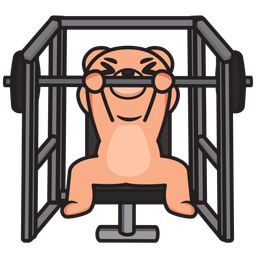
Smith Incline Shoulder Raise
Also known as: Smith Incline Front Raise • Incline Smith Front Raise • Smith Machine Incline Front Raise
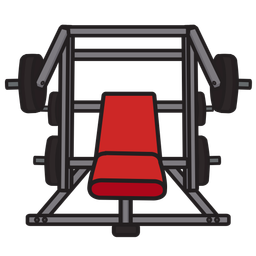
Climb onto the incline bench like a cozy cave ledge and guide the Smith bar up the rails. Your front delts do the heavy paw-work as you raise the bar toward the sky. Keep your ribs tucked and shoulders friendly, not grumpy. Smooth, steady reps make you a stronger, sturdier bear.
Instructions
- Set an incline bench (about 30 to 60 degrees) inside a Smith machine.
- Position the bench so the bar starts above your upper chest/shoulder line when you are seated back.
- Lie back with feet planted and glutes and upper back on the bench; keep a neutral spine.
- Grip the bar slightly wider than shoulder width with wrists straight.
- Unrack the bar and start with elbows slightly bent and the bar near the upper chest/clavicle area.
- Raise the bar upward along the Smith rails by flexing the shoulders until arms are near overhead without shrugging.
- Pause briefly, then lower under control to the start position.
- Repeat for the desired reps, then rack the bar securely.
Benefits
- Builds anterior deltoid strength and size
- Fixed bar path can help focus on shoulder flexion mechanics
- Less balance demand than free-weight overhead variations
- Can be a useful accessory for pressing strength
Key Points
- Keep elbows softly bent; do not lock out aggressively.
- Move through the shoulders, not by arching the low back.
- Stop short of any painful pinch at the top; use a comfortable range.
- Keep shoulders down and back; avoid shrugging to let the upper traps take over.
- Use controlled tempo since the Smith path can encourage bouncing.
Common Mistakes
- Overarching the lower back to turn the rep into an incline press
- Shrugging the shoulders and overusing the upper trapezius
- Lowering too deep and stressing the front of the shoulder
- Using excessive load and bouncing off the bottom
- Letting wrists bend back, reducing control and comfort
Muscle Groups
TricepsShouldersCoreChest