 Bearly Fit
Jump Squat
Also known as: Plyometric Squat • Bodyweight Jump Squat • Freehand Jump Squat
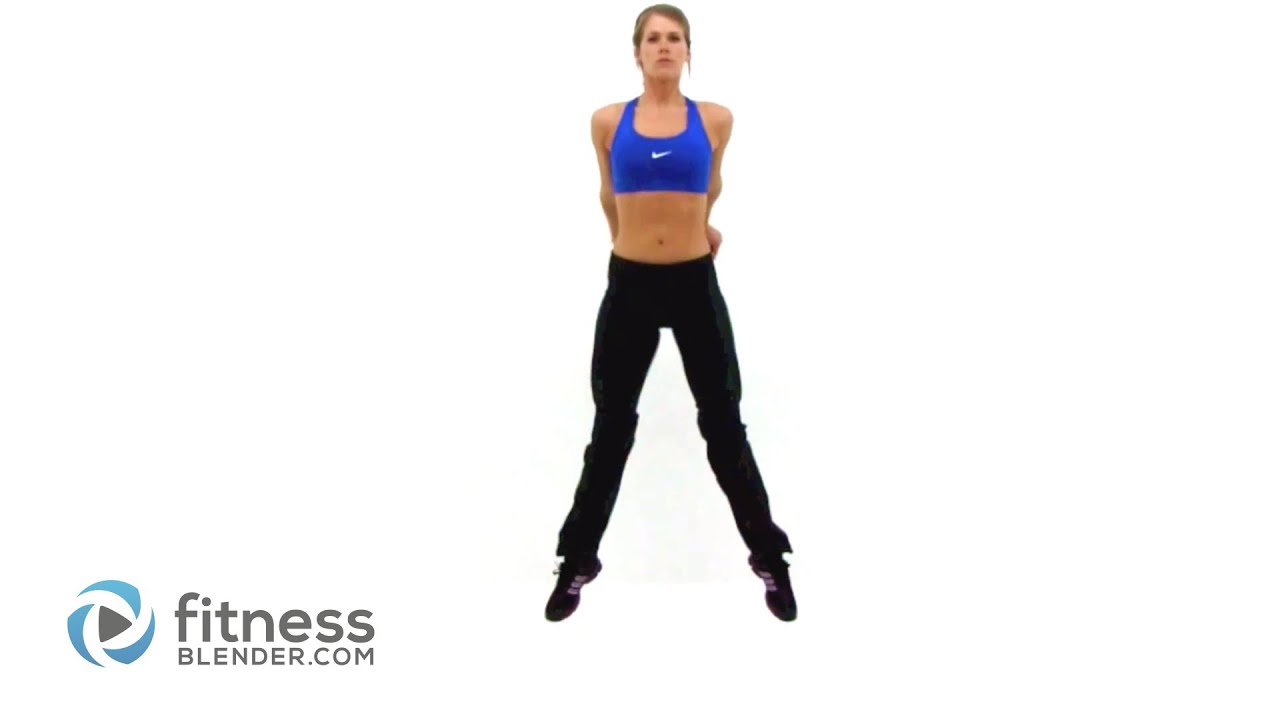
Drop into a squat like a bear getting ready to pounce, then spring straight up with a big paws-off-the-ground hop. Land quietly like you are sneaking to the honey stash, reset your stance, and repeat. Fast up, soft down, and keep your knees tracking over your toes.
Instructions
- Stand tall with feet about shoulder-width apart, toes slightly out, arms at your sides.
- Brace your core and sit your hips back and down into a squat until thighs are near parallel (or comfortable depth).
- Keep chest up and knees tracking over toes.
- Explode upward through the midfoot, swinging arms to help drive the jump.
- Leave the ground with ankles, knees, and hips fully extended.
- Land softly on the midfoot with knees slightly bent, absorbing with hips and ankles.
- Reset your balance and descend into the next squat rep.
Benefits
- Improves lower-body power and explosiveness
- Builds reactive strength and landing mechanics
- Elevates heart rate for conditioning and calorie burn
- Enhances coordination and athletic performance (jumping and sprinting carryover)
- Strengthens tendons and connective tissue when progressed appropriately
Key Points
- Prioritize a quiet, controlled landing before increasing jump height or speed.
- Keep knees aligned with toes; avoid collapsing inward on takeoff or landing.
- Use a shallow squat depth if needed to maintain good mechanics.
- Brace the trunk to prevent excessive forward lean or arching on takeoff.
- Stop the set if jump height drops or landings get loud or unstable.
Common Mistakes
- Knees caving inward during takeoff or landing
- Landing stiff-legged or on the heels with poor shock absorption
- Excessive forward torso collapse or rounding the back
- Rushing reps without regaining balance and position
- Dropping too deep and losing posture before jumping
- Letting feet turn excessively or shifting weight to the toes
Muscle Groups
Upper LegShouldersLower LegCoreGlutes