 Bearly Fit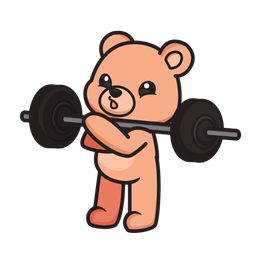
Front Squat
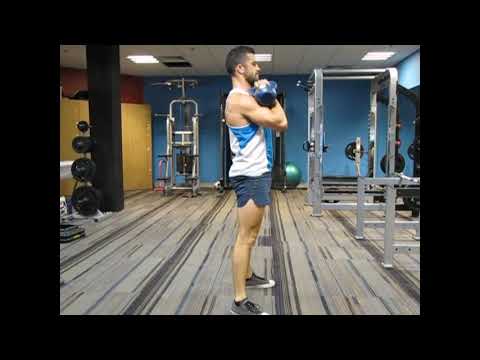
Also known as: Barbell Front Squat • Dumbell Front Squat • Front Squats With Two Kettlebells • Kettlebell Front Squat
Front squats are like carrying a tasty honey jar on your shoulders while you sit back into a strong bear squat. Keep your chest proud, elbows high, and belly braced so the bar stays cozy on your front rack. Your quads will roar, your core will hug tight, and you will stand up tall like a mighty grizzly.
Instructions
- Set the barbell on a rack at upper-chest height.
- Step under the bar and place it on the front of your shoulders, close to the throat.
- Use a clean grip (fingers under the bar) or crossed-arm grip; lift elbows up to create a shelf.
- Unrack the bar, step back, and set feet about shoulder-width with toes slightly out.
- Inhale and brace your core; keep chest up and elbows high.
- Squat down by bending knees and hips together, keeping heels down and torso upright.
- Descend until thighs are at least parallel (or as mobility allows without rounding).
- Drive up through midfoot, extending knees and hips to stand tall.
- Re-brace and repeat; re-rack the bar safely when finished.
Benefits
- Builds quadriceps strength and size
- Improves core and upper-back bracing strength
- Encourages a more upright squat posture
- Can be more knee-dominant with less forward lean than back squats
- Transfers well to Olympic lifting and athletic performance
Key Points
- Keep elbows high to prevent the bar from rolling forward.
- Brace the core and keep ribs down to maintain an upright torso.
- Stay balanced over midfoot; avoid shifting to toes.
- Knees track over toes; maintain full-foot contact.
- Use a load you can control without losing the front rack position.
Common Mistakes
- Letting elbows drop, causing the bar to roll forward
- Rising hips faster than the chest (turning it into a good morning)
- Coming onto the toes or letting heels lift
- Knees collapsing inward
- Rounding the lower back at the bottom due to poor bracing or depth beyond mobility
Muscle Groups
Upper LegShouldersLower BackCoreGlutesNeck