 Bearly Fit
Reverse Band Sumo Deadlift
Also known as: Assisted Reverse Sumo Deadlift • Reverse Band Sumo Pull
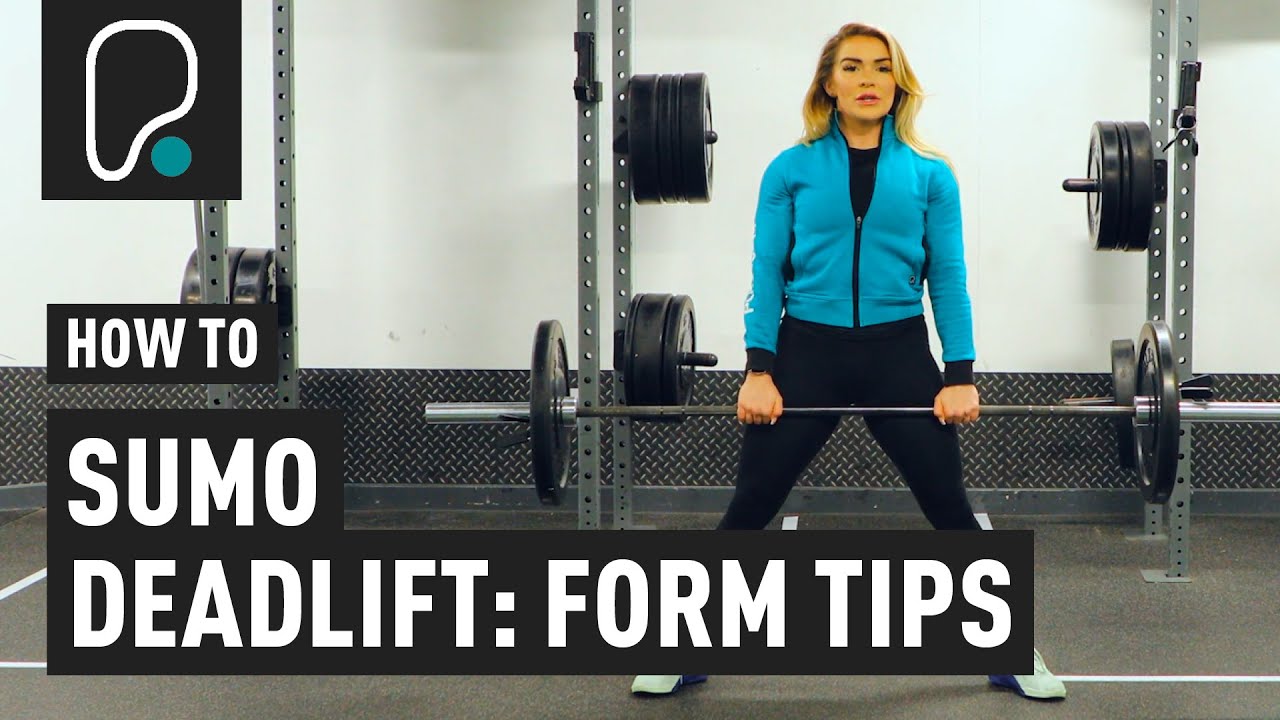
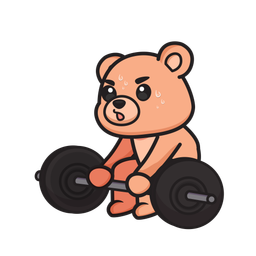
This is the sumo deadlift with a helpful bear-hug from bands at the bottom. The bands give you the most help when the bar is on the ground, then let go as you stand tall. Spread your paws wide, brace your belly, and push the floor away like you are digging for honey.
Instructions
- Set a barbell on the floor and anchor two bands to an overhead rack/crossmember (one band per sleeve).
- Loop the free end of each band around the bar sleeves so the bar is partially unloaded at the bottom.
- Step into a sumo stance: feet wide, toes slightly out, shins close to the bar.
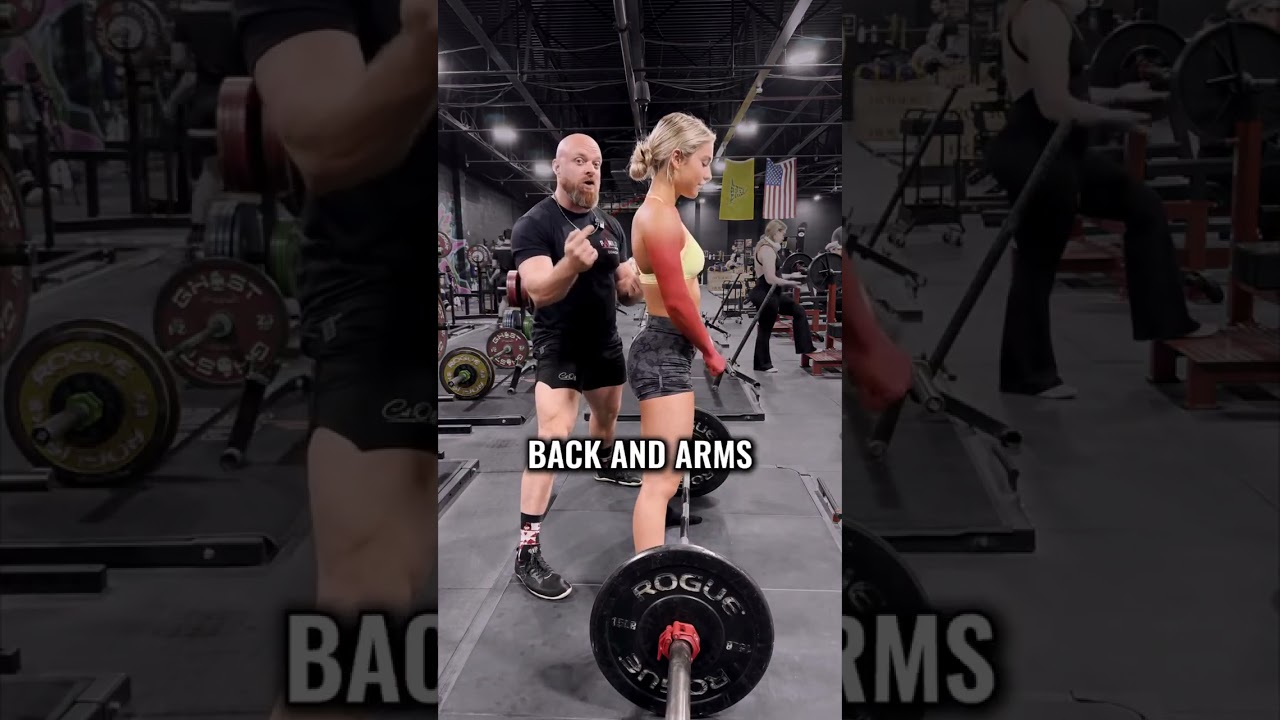
- Grip the bar inside your knees and pull your chest up to set a neutral spine.
- Brace your core, wedge your hips toward the bar, and pull the slack out of the bar and bands.
- Drive through your feet, pushing the floor away while keeping the bar close to your legs.
- Stand tall by extending hips and knees together; lock out with glutes, not a back lean.
- Lower under control by hinging at the hips first, then bending the knees to return the bar to the floor.
Benefits
- Reduces difficulty off the floor while preserving heavy lockout loading
- Allows practice of sumo deadlift positions and bracing with less bottom-end strain
- Can help manage fatigue or train around mild bottom-range limitations
- Improves confidence and speed from the start position
- Trains glutes, adductors, hamstrings, and upper-back isometrics similarly to sumo deadlifts
Key Points
- Bands should assist most at the bottom and have minimal assistance near lockout.
- Keep the bar path vertical and close to your body.
- Brace hard before the pull; maintain a neutral spine.
- Push the floor away and keep knees tracking over toes.
- Use consistent setup tension: pull slack out of the bar and bands before lifting.
Common Mistakes
- Anchoring bands too low or too slack, causing inconsistent assistance
- Letting hips shoot up early, turning the lift into a stiff-leg pull
- Rounding the lower back to reach the bar
- Allowing knees to cave in during the initial drive
- Overextending at lockout by leaning back
- Bouncing the bar off the floor and losing tightness
Muscle Groups
Upper LegLower BackLower LegCoreGlutes