 Bearly Fit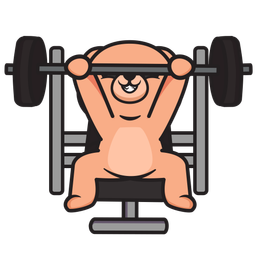
Reverse Triceps Bench Press
Also known as: Reverse Grip Bench Press • Supinated Grip Bench Press
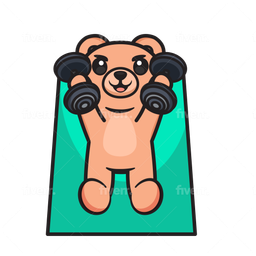
Flip your paws under the bar and press like a clever bear with a new trick. The reverse grip makes your triceps do more of the heavy honey-hauling while your chest and shoulders help. Keep your elbows tucked, move slow and steady, and bring a spotter buddy so the bar does not go wandering.
Instructions
- Set a barbell on a bench press rack and lie on the bench with eyes under the bar.
- Plant feet firmly, brace your core, and lightly arch your upper back while keeping glutes on the bench.
- Grip the bar with a shoulder-width to slightly narrower supinated (palms facing you) grip; wrap thumbs around the bar.
- Unrack the bar with help from a spotter and hold it above your lower chest/upper abdomen with elbows slightly tucked.
- Lower the bar under control to your lower chest/upper abdomen, keeping wrists stacked and forearms near vertical.
- Pause briefly, then press the bar up by driving through the triceps while maintaining elbow tuck.
- Lock out softly (do not hyperextend), stabilize, then repeat for reps.
- Rack the bar securely with the spotter’s guidance.
Benefits
- Builds triceps strength and pressing lockout
- Trains chest and anterior deltoids with a different stimulus than standard bench
- May feel more shoulder-friendly for some lifters than a wide pronated grip
- Improves grip and wrist stability under load
- Useful bench press accessory for strength athletes
Key Points
- Use a full, closed grip (thumbs around) and consider wrist wraps if needed.
- Keep elbows tucked 30 to 60 degrees from the torso to bias triceps and protect shoulders.
- Lower to a consistent touch point on the lower chest/upper abdomen.
- Control the eccentric; avoid bouncing off the chest.
- A spotter is strongly recommended due to the reverse grip being less secure.
Common Mistakes
- Using a thumbless grip or letting the bar roll toward the fingers
- Letting wrists bend back excessively
- Flaring elbows too wide or letting shoulders shrug up
- Bouncing the bar off the chest or losing tightness at the bottom
- Lowering the bar too high on the chest, stressing shoulders and wrists
- Going too heavy without a spotter or safety arms
Muscle Groups
TricepsShouldersCoreChest