 Bearly Fit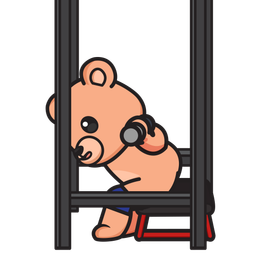
Instructions
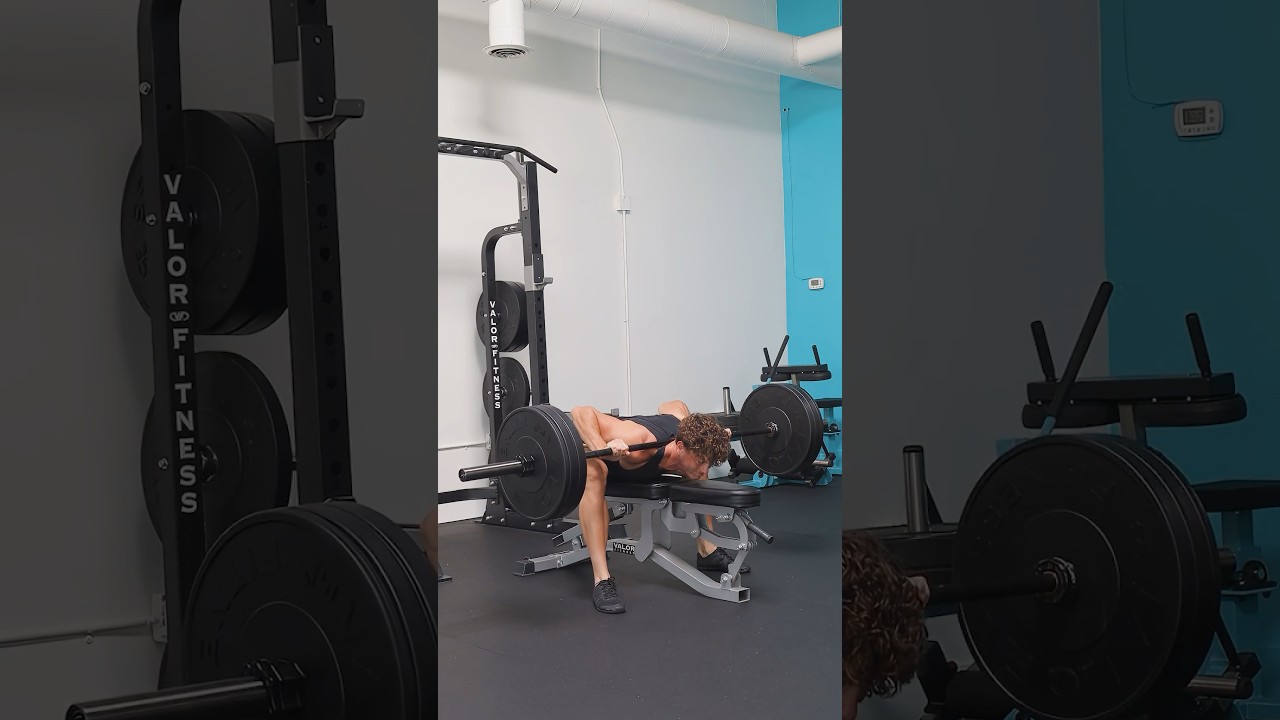
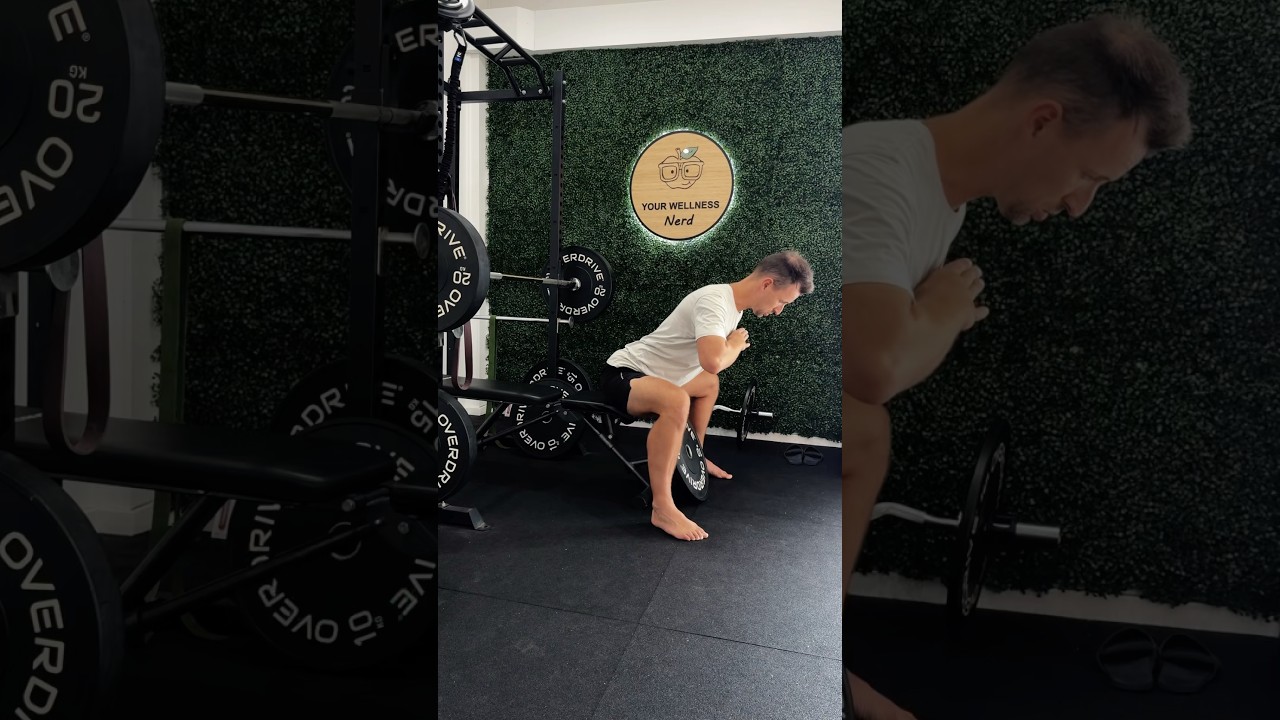
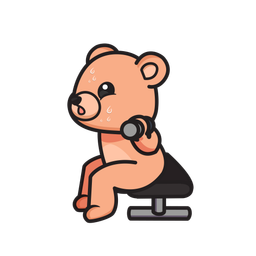
- Sit on a bench with feet about shoulder-width apart, planted firmly on the floor.
- Set your torso tall, brace your core, and keep a neutral spine.
- Place hands across your chest or hold a light barbell/dowel across your upper back (not on the neck).
- Hinge forward from the hips, letting your chest move toward the floor while keeping your back flat.
- Lower until you feel a strong stretch in the hamstrings or just before your lower back wants to round.
- Drive your hips forward and raise your torso back to the starting upright position.
- Repeat for controlled reps without bouncing.
Benefits
- Builds strength and endurance in spinal erectors and posterior chain
- Improves hip-hinge mechanics with reduced balance demands
- Can increase hamstring length tolerance and control under stretch
- Useful accessory for deadlift and squat bracing patterns
- Targets lower back and glutes with minimal equipment options
Key Points
- Hinge at the hips, not the lower back.
- Keep ribs down and core braced to limit lumbar rounding.
- Move slowly and stop the descent when form breaks.
- Maintain even pressure through both feet; do not let heels lift.
- Use light to moderate loading; prioritize control and range.
Common Mistakes
- Rounding the lower back at the bottom
- Turning it into a crunch by flexing the spine instead of hinging
- Bouncing out of the bottom position
- Letting knees collapse inward or feet shift
- Using too much weight and shortening range to compensate
- Placing the bar on the neck instead of the upper back
Muscle Groups
Upper LegLower BackGlutes