 Bearly Fit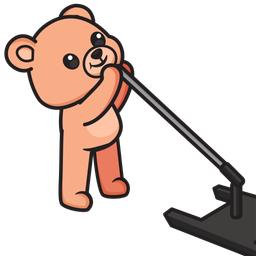
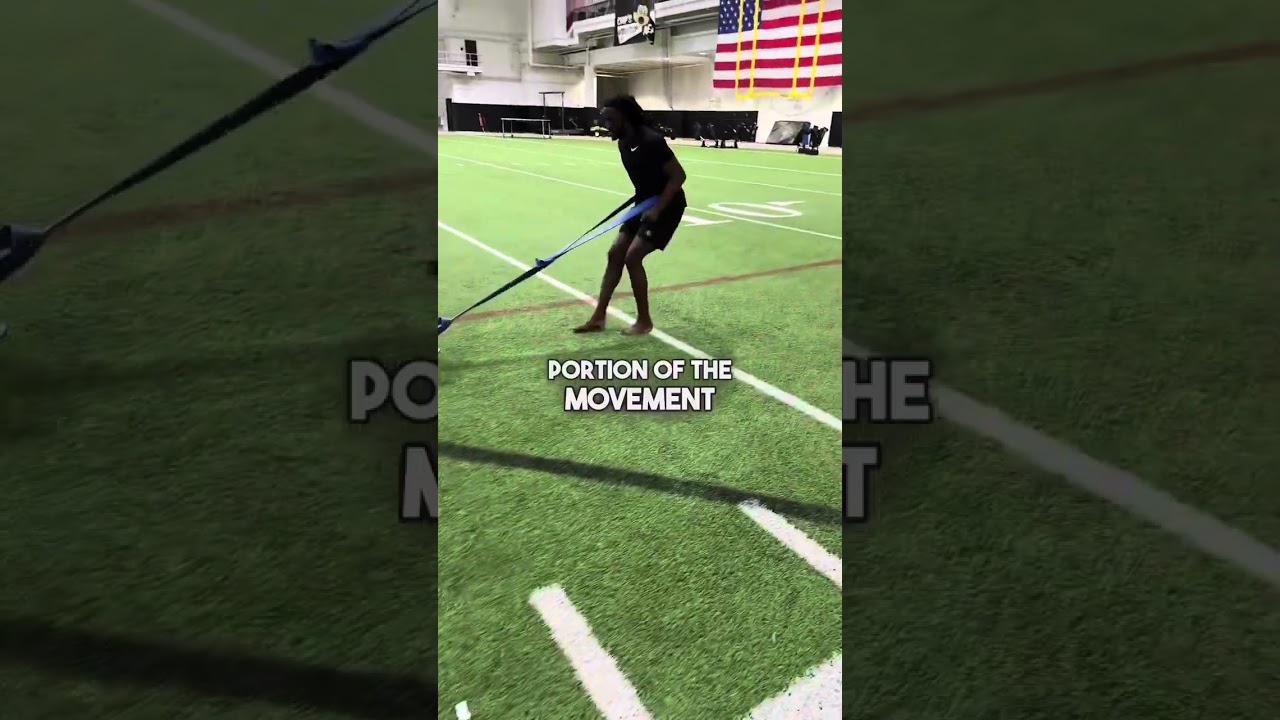
Sled Overhead Backward Walk
Also known as: Overhead Backward Sled Drag • Backward Overhead Sled Drag
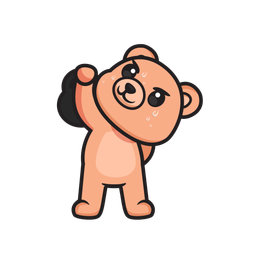
Grab that sled like a bear hoisting a honey jar overhead, then shuffle backward with quiet, careful paws. Keep your belly braced and shoulders packed so the load stays steady above your head. Your quads will roar, your core will hug tight, and your posture will feel mountain-strong.
Instructions
- Load a sled moderately and attach a strap or handles you can hold overhead.
- Stand facing away from the direction you will travel, feet hip-width, strap/handles held overhead with elbows locked or softly straight.
- Brace your core, keep ribs down, and set shoulders down and back while keeping the load stacked over midfoot.
- Begin walking backward with short, controlled steps, staying tall and keeping the sled moving smoothly.
- Maintain a neutral spine and steady overhead position for the full distance or time.
- Slow to a stop under control, lower the handles safely, rest, and repeat.
Benefits
- Improves overhead shoulder stability and scapular control under fatigue
- Builds trunk bracing and anti-extension core strength
- Strengthens quads and knee extensors via backward locomotion
- Develops work capacity and full-body coordination
- Low-impact conditioning option compared with running
Key Points
- Keep the load stacked over your midfoot; avoid drifting it forward.
- Brace: ribs down, pelvis neutral, no excessive low-back arch.
- Use short backward steps to keep tension and reduce slipping.
- Shoulders stay active: shrug slightly up and rotate upward, but do not let arms wobble.
- Start light; overhead stability is the limiter before legs.
Common Mistakes
- Overarching the lower back to keep the load overhead
- Letting the arms bend and the load drift forward
- Taking long steps that cause bouncing and loss of control
- Shrugging unevenly or letting shoulders collapse into the neck
- Using too much load and turning it into a sloppy sway-and-stumble
Muscle Groups
Upper LegTricepsShouldersLower LegCoreGlutes