 Bearly Fit
Instructions
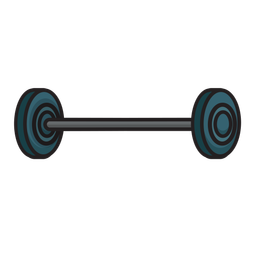
- For Barbell: Stand with your feet shoulder-width apart and hold a barbell with a wide overhand grip.
- Hinge at the hips to bend forward until your torso is nearly parallel to the ground, keeping your back flat and knees slightly bent.
- Pull the barbell toward your upper chest or collarbone, flaring your elbows out to the sides.
- Squeeze your shoulder blades together at the top, then lower the bar under control.
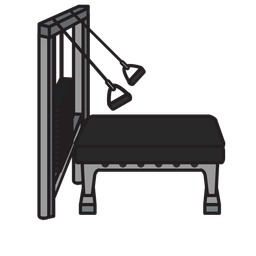
- For Cable Machine: Set a straight bar on the low pulley and attach it to the cable.
- Grab the bar with a wide overhand grip and step back, hinging at the hips with a straight back.
- Pull the bar toward your upper chest, leading with your elbows flared outward.
- Pause and squeeze at the top, then return to the starting position.
Benefits
- Effectively targets the rear deltoids and upper back.
- Improves shoulder symmetry and posture.
- Supports stronger pressing and pulling movements.
- Enhances scapular stability and shoulder joint function.
- Can be used with various equipment for training variety.
Key Points
- Keep your back flat and core engaged throughout the movement.
- Lead with your elbows, not your hands.
- Flare your elbows to the sides to emphasize the rear delts.
- Avoid jerking or using momentum to lift the weight.
- Control the eccentric (lowering) phase of the exercise.
Common Mistakes
- Using excessive weight and sacrificing form.
- Pulling with the arms rather than the upper back and shoulders.
- Rounding the back or arching excessively.
- Letting the elbows drop instead of keeping them flared.
- Neglecting to engage the core for stability.
Muscle Groups
ShouldersLower BackNeckUpper Back