 Bearly Fit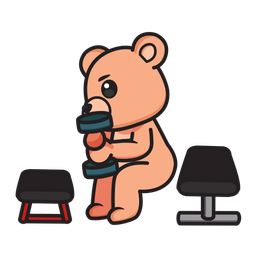
Seated Box Jump
Also known as: Dumbbell Seated Box Jump • Seated Jump to Box • Box Jump from Seated Position
It's like a surprise attack... from your own legs! Seated box jumps train your lower body to explode upward from a dead stop - no rocking, no cheating, just raw bear spring power. Whether you're leaping onto a log or a training box, this move builds serious bounce and teaches your legs to go from chill to full charge in a heartbeat.
Instructions
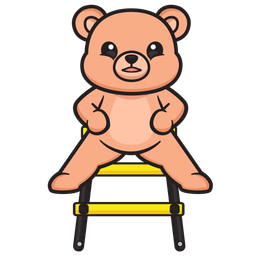
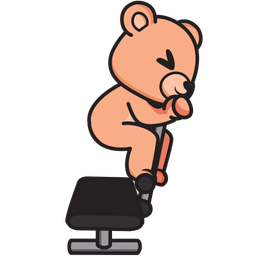
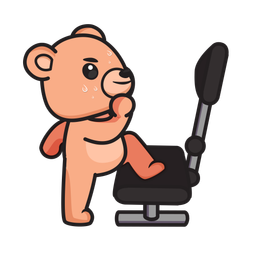
- Sit on a sturdy bench or box with feet flat on the floor, shoulder-width apart.
- Place a plyometric box at an appropriate distance and height in front of you.
- For dumbbell variation: Hold a light dumbbell in each hand at your sides or at shoulder height.
- Engage your core, lean forward slightly, and drive through your feet to explode upward off the bench.
- Swing your arms (or drive the dumbbells) upward to help generate momentum.
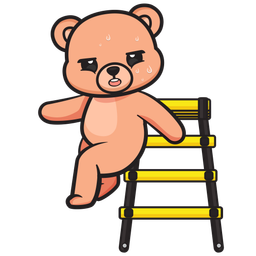
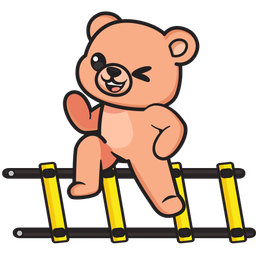
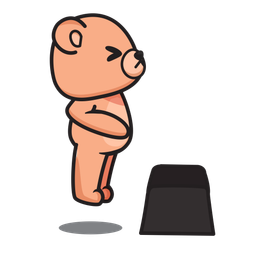
- Land softly on the box with knees bent and feet flat, then stand upright to finish the rep.
- Carefully step down or jump down under control and reset for the next repetition.
Benefits
- Develops explosive leg power and vertical jump ability.
- Improves coordination, balance, and athletic performance.
- Enhances lower-body muscular endurance and strength.
- Activates fast-twitch muscle fibers for speed and agility.
- Dumbbell variation increases resistance and intensity.
Key Points
- Use a stable, non-slip surface for both the seat and landing box.
- Land softly with knees tracking over your toes to reduce impact.
- Keep the core engaged and back straight during the jump.
- Use arm or dumbbell drive to enhance upward momentum.
- Choose a box height that challenges but allows for safe landings.
Common Mistakes
- Using a box that's too high, risking injury.
- Landing stiff-legged or with knees caving inward.
- Leaning back too far on the seat before jumping.
- Not fully committing to the jump, leading to missed landings.
- Using heavy dumbbells that compromise form or control.
Muscle Groups
Upper LegLower LegCoreGlutes