 Bearly Fit
Triceps Extension
Also known as: Overhead Tricep Extension • Cable Tricep Extension • Resistance Band Tricep Extension
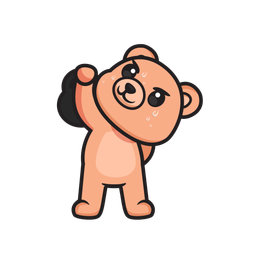
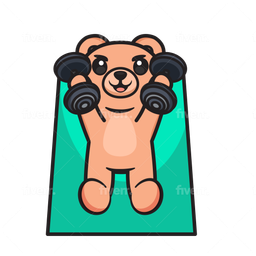
No matter what you're lifting - dumbbells, kettlebells, a barbell, or even a resistance band - tricep extensions focus all the work on the back of your arms. It's a flexible, go-anywhere kind of movement that helps build strength for pressing, pushing, and yes, giving a firm bear high-five. Whether standing, seated, or overhead, this exercise is a reliable way to grow triceps that don't back down.
Instructions
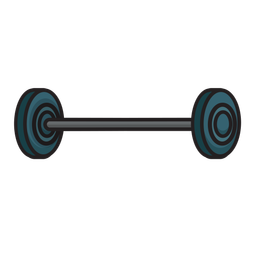
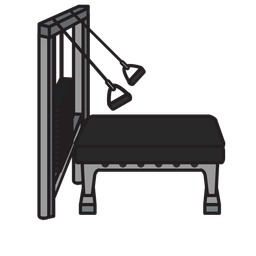
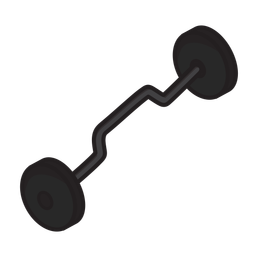
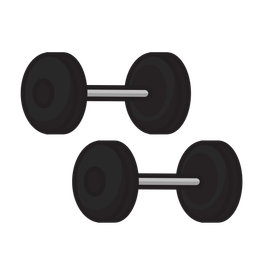
- Choose your equipment: dumbbell, barbell, EZ curl bar, cable machine with rope or bar attachment, or resistance band anchored securely.
- For Dumbbells or EZ Bar: Hold the weight overhead with both hands, elbows pointing forward and close to your head.
- Lower the weight behind your head by bending at the elbows while keeping your upper arms stationary.
- Extend your elbows to raise the weight back to the starting position, focusing on squeezing the triceps.
- For Cable Machine: Stand facing away from the machine with a rope or bar attachment held overhead. Perform the same elbow-bending and extending motion.
- For Resistance Bands: Anchor the band above your head and hold the ends. Step away to create tension and perform the extension in a similar overhead fashion.
- Repeat for the desired number of repetitions, maintaining control throughout the movement.
Benefits
- Isolates and strengthens the triceps for improved arm definition.
- Improves lockout strength in pressing exercises like bench press or overhead press.
- Versatile movement that can be done with a wide range of equipment and setups.
- Enhances upper-body muscular balance and performance.
- Can be easily adjusted for beginners or advanced lifters by changing angles or resistance.
Key Points
- Keep your upper arms still and close to your head throughout the movement.
- Avoid flaring your elbows or letting them drift outward.
- Use a full range of motion - lower fully and extend completely without locking out.
- Control the weight on both the lowering and lifting phases.
- Engage your core to maintain balance and posture, especially when standing.
Common Mistakes
- Using momentum or swinging the weight.
- Flaring the elbows away from the head.
- Arching the lower back excessively during standing variations.
- Shortening the range of motion.
- Using too much weight, leading to poor control or compromised form.
Muscle Groups
TricepsShoulders