 Bearly Fit
Hurdle Hops
Also known as: Hurdle Jumps • Plyometric Hurdle Hops
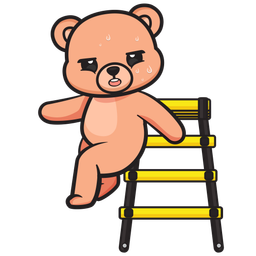
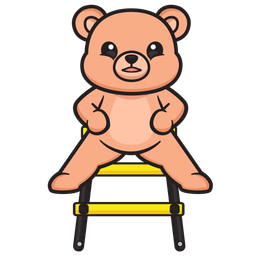
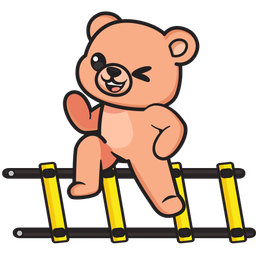
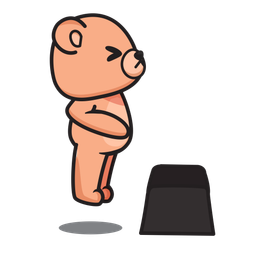
Time to bound like a springy bear cub. Hop over the hurdles with quick paws and a tall chest, landing softly and bouncing right back up. Keep your knees tracking over your toes, use your arms to help you fly, and make each hop crisp and snappy like you are leaping over a stream for salmon.
Instructions
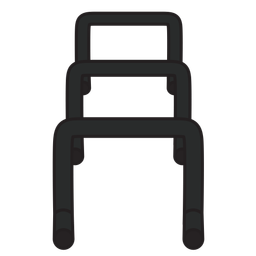
- Set up 3 to 8 low hurdles in a straight line with even spacing.
- Stand facing the first hurdle with feet about hip-width apart and arms relaxed.
- Dip slightly at the hips and knees, then jump forward and up to clear the hurdle.
- Land softly on the balls of your feet with knees bent and chest tall.
- Minimize ground contact time and immediately rebound into the next hop.
- Continue through all hurdles, then walk back and rest before the next set.
Benefits
- Improves lower-body explosive power and rate of force development
- Enhances reactive strength and stretch-shortening cycle efficiency
- Builds coordination, rhythm, and agility for sport performance
- Trains landing mechanics and lower-limb stiffness control
- Elevates heart rate for conditioning
Key Points
- Land quietly and under control, then rebound quickly.
- Keep knees tracking over toes; avoid knee collapse inward.
- Stay tall through the torso; do not fold at the waist.
- Use an athletic arm swing to assist power and rhythm.
- Start with low hurdles and increase height or spacing gradually.
Common Mistakes
- Letting knees cave inward on landing or takeoff
- Landing stiff-legged or with loud, heavy contacts
- Jumping too far forward and losing balance between hurdles
- Pausing too long between hops instead of rebounding
- Using hurdles that are too high too soon
- Looking down excessively and rounding the upper back
Muscle Groups
Upper LegShouldersLower LegCoreGlutes